
Has Britain lost a war? Leia mais: Who won the war for Britain
.jpg)
British
Battle of Britain
| Date | 10 July – 31 October 1940 (3 months and 3 weeks) |
|---|---|
| Location | British airspace, English Channel |
| Result | British victory |
Leia mais
But to Germany's surprise, Britain, although apparently defeated and certainly painfully exposed and isolated, did not surrender. It did not even seek to come to terms with Germany.By the end of October 1940, Hitler called off his planned invasion of Britain and the Battle of Britain ended. Both sides suffered enormous loss of life and aircraft. Still, Britain weakened the Luftwaffe and prevented Germany from achieving air superiority. It was the first major defeat of the war for Hitler.

What wars have UK won
British Allied victory
- Third Carnatic War.
- French and Indian War.
- Pomeranian War.
- Third Silesian War.
- Anglo-Spanish War.
After French assistance helped the Continental Army force the British surrender at Yorktown, Virginia, in 1781, the Americans had effectively won their independence, though fighting would not formally end until 1783.Winston Churchill became Britain's prime minister on 10 May 1940.In particular, there was a lack of home defences, especially against bombing. The heads of Britain's armed forces consistently warned Chamberlain that Britain was too weak to fight.

Some historians consider England's Scilly conflict to be the longest war in known history, dragging on for a staggering 335 years.
What is the UK’s longest war
Some historians consider England's Scilly conflict to be the longest war in known history, dragging on for a staggering 335 years.
The Crimean War was fought from October 1853 to February 1856 between Russia and an ultimately victorious alliance of the Ottoman Empire, France, the United Kingdom and Piedmont-Sardinia.
John Paul Jones set foot once more on Whitehaven, the first and only time American forces ever attacked the British Isles.
Leia mais
Looting, rape, and prisoner executions were committed by British soldiers in a smaller scale than other armies throughout the war.The British Empire waged ceaseless war against Japan between December 1941 and August 1945, in defeat and retreat at first, stabilizing in 1943 as the Allies hit back and the Japanese tide abated, and turning to the offensive in 1944.Though President Roosevelt wanted to provide assistance to the British, both American law and public fears that the United States would be drawn into the conflict blocked his plans. The Neutrality Act of 1939 allowed belligerents to purchase war materiel from the United States, but only on a “cash and carry” basis.Kingdom of Portugal
The Anglo-Portuguese Alliance is the oldest alliance based in known history that is still in force by politics. The Treaty of Windsor was signed on May 9, 1386 between the Kingdom of Portugal and the Kingdom of England, over 630 years ago, and is still active to this day.

There have been no declarations of war since the Second World War (against Thailand in 1942, to be precise), though British Armed Forces have taken part in armed conflict on numerous occasions nonetheless.During the Napoleonic Wars, the Anglo-Russian War (2 September 1807 – 18 July 1812) was the phase of hostilities between Great Britain and Russia after the latter signed the Treaty of Tilsit that ended its war with France.A century ago a British led intervention force landed in the far north of Russia. For 18 gruelling months, thousands of foreign troops under British command fought Russians on Russian soil.The Crimean War (1854-56) was fought by an alliance of Britain, France, Turkey and Sardinia against Russia. It was the only major European conflict the Army engaged in between 1816 and 1914.

John Paul Jones set foot once more on Whitehaven, the first and only time American forces ever attacked the British Isles.The German Luftwaffe dropped thousands of bombs on London from 1939 to 1945, killing almost 30,000 people. More than 70,000 buildings were completely demolished, and another 1.7 million were damaged.The soldiers were paid at Pay Parades held within their own units. The Divisional Field Cash Office also receives cash from the Army Post Office, N.A.A.F.I., Y.M.C.A., canteens, officer's shops and from individual units.During early August 1945, the cities of Hiroshima and Nagasaki were struck and mostly destroyed by atomic bombs. Japan's military and civil defenses were unable to stop the Allied attacks.
…
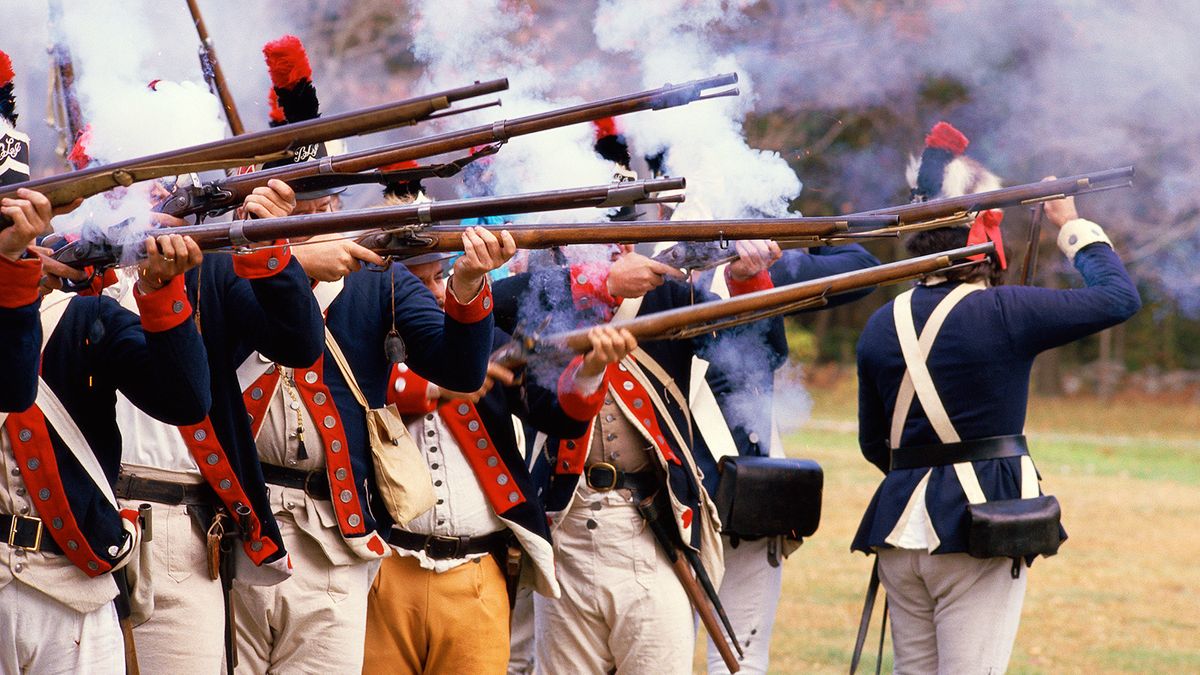
| Air raids on Japan | |
|---|---|
| United States United Kingdom China | Japan |
| Units involved |
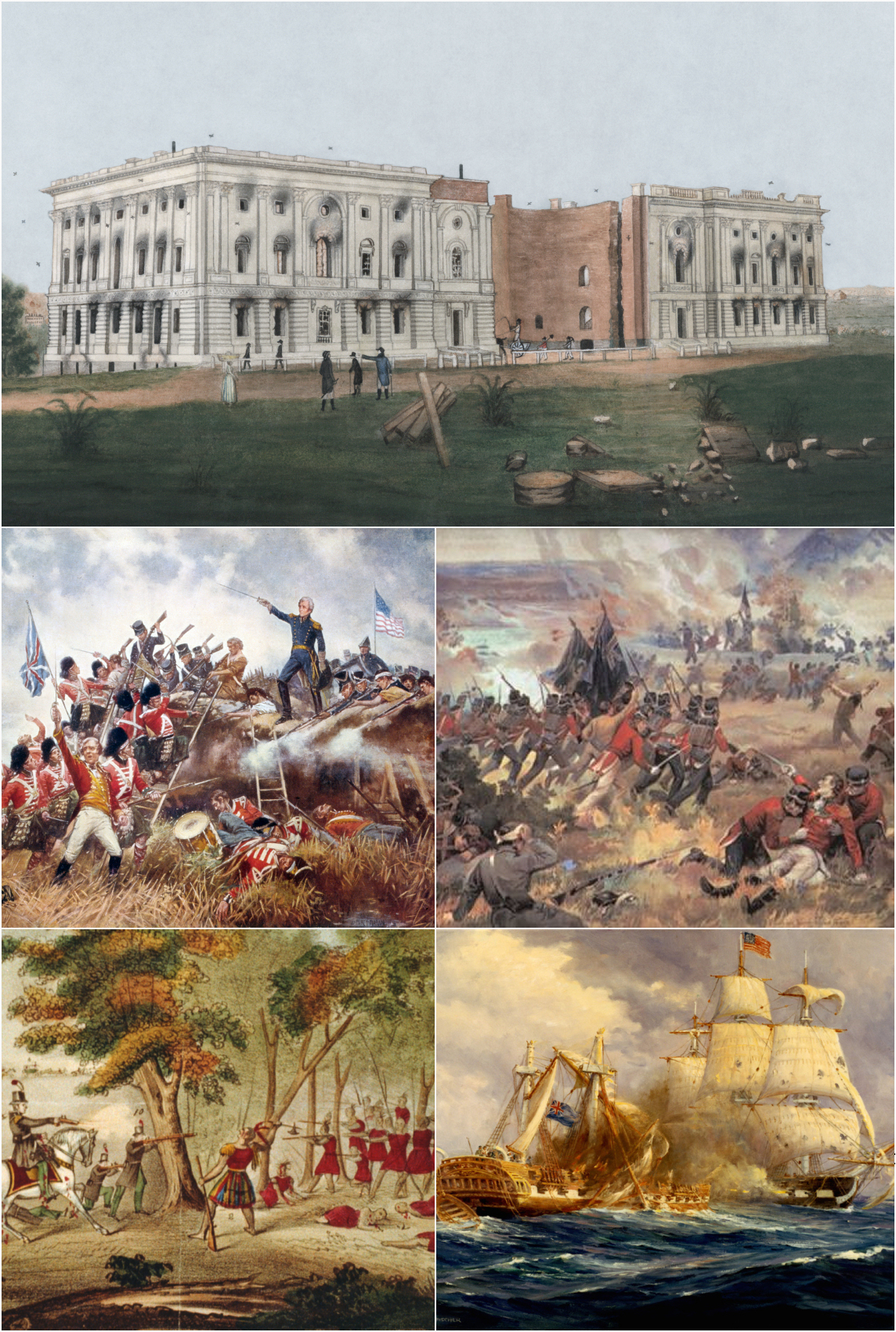
World War Two had been extraordinarily costly for Britain and her empire, and in 1945 the country was exhausted and devastated. Aerial bombardment had destroyed many British cities, and there were major shortages of goods and labour for the rebuilding of the country.the United States
Although the United States played the dominant role, all three major Allied countries were necessary to victory in Europe. The most important contribution made by Britain was to survive Hitler's onslaught in 1940. Had the British failed to hold off the Nazis, the Second World War would have taken a far different turn.