
How many hours did Arnold train a day? Leia mais: How many hours a day did Arnold workout for
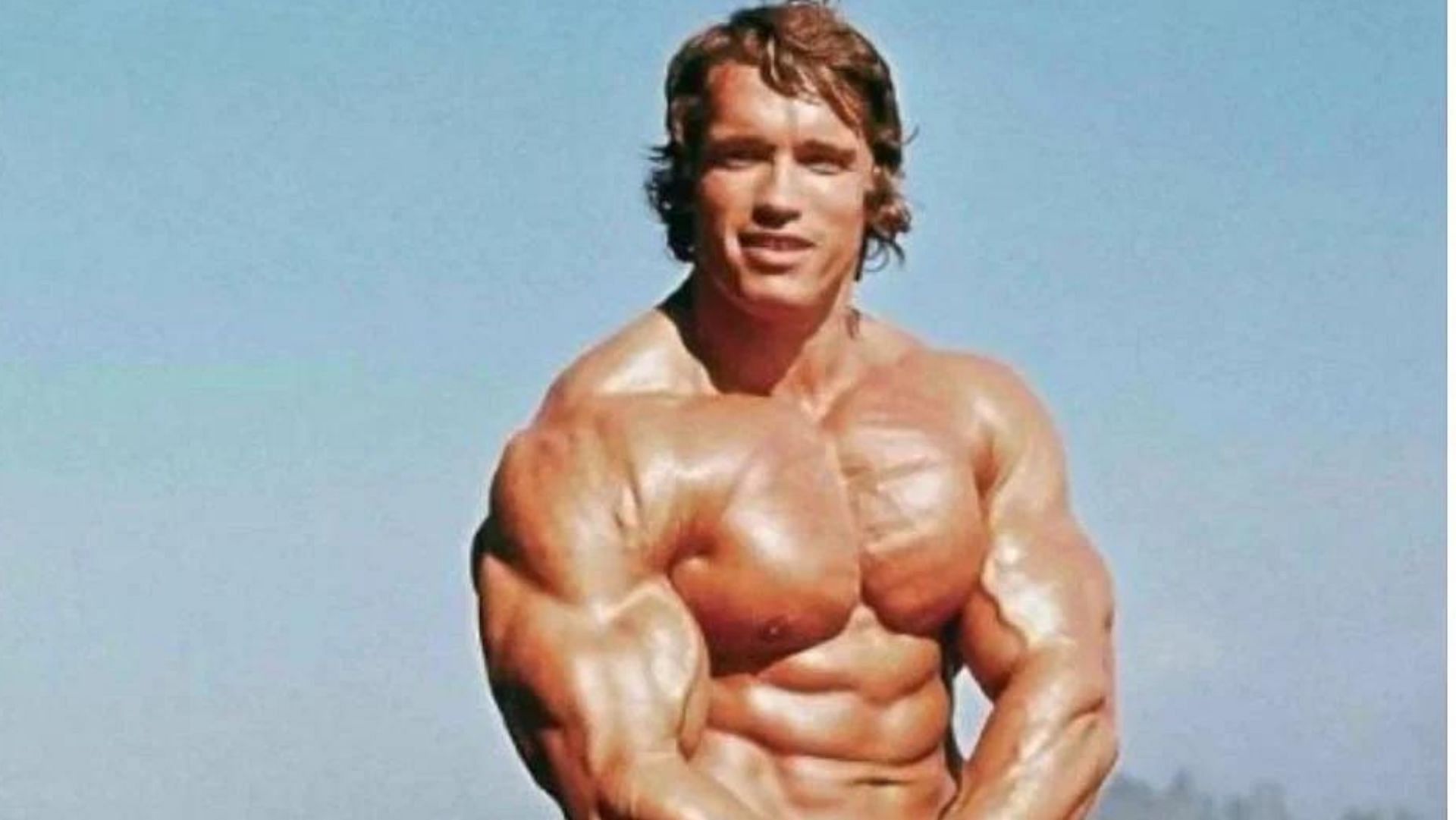
He puts in an hour and a half daily, cycling for 45 to 60 minutes and lifting weights for another 30. That's a hell of a daily workout, especially for a 75-year-old, though it's down considerably from his peak bodybuilding days. When he was competing, he would lift weights for five hours a day.
Leia mais
While preparing for bodybuilding contests, Arnold would frequently train six days a week, twice a day, with an aim to target each muscle group three times a week — a staggering amount of volume, even for professional bodybuilder standards.Interestingly, they only trained, on average, about 5 days a week, for about an hour (plus or minus a little bit) at a time. Yes, that's right – about 5-7 hours total.
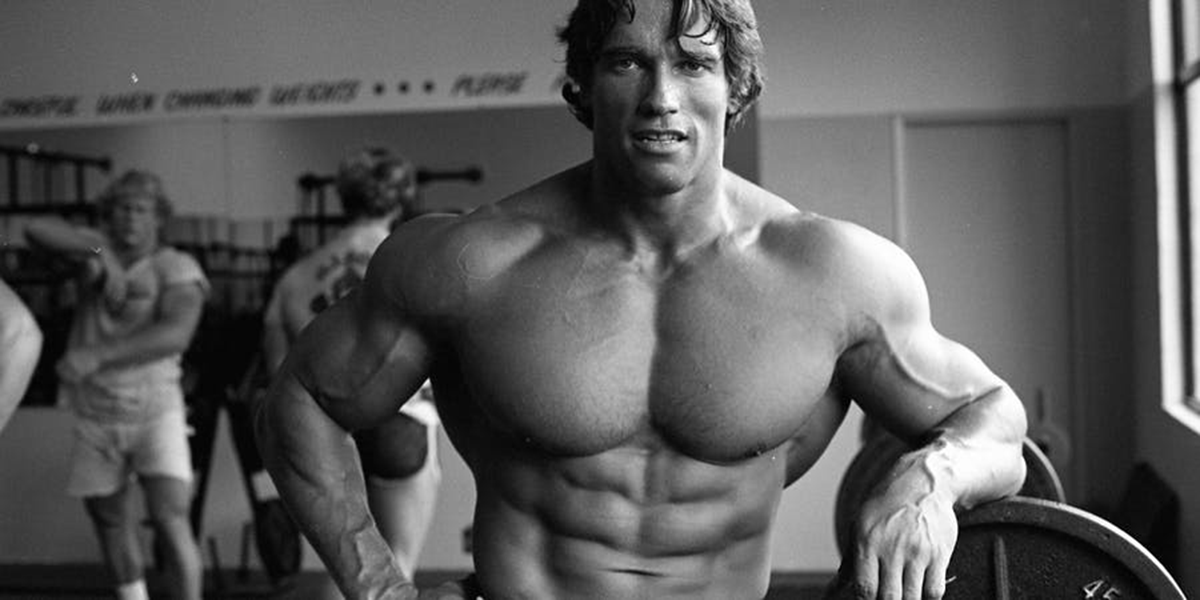
What was Arnold’s daily routine
"I get out of bed, have my coffee and read the newspaper, then I immediately go on a bike ride to Gold's Gym, have my workout, and then ride my bike to get some breakfast. At that point, my mind is clear, the hard part is over, and I can focus on work for the rest of the day."
Arnold Schwarzenegger's “sleep faster” strategy
The former Mr Olympia sleeps just six hours a night so that he has at least 18 hours of productive time during the day. The seven-time bodybuilding champion reportedly spent as much time in the gym as he did in bed during his early career.No, Arnold did not overtrain. Arnold had a style called volume training. This included high numbers of repetitions and sets for just about every exercise he performed. His idea was the more time under tension the muscles spent; the more they would be signaled to grow.You'll be more prone to injury, which can lead to months of inactivity and lost progress. It's recommended to rest for 72 hours before working out the same muscle group again. This gives your body the time it needs for muscle recovery and growth without risking injury from overtraining or under-recovery.

Two-a-day workouts can be a good idea, but only if you stick to a structured workout plan with enough time for rest. There are many benefits to working out twice a day. It reduces your sedentary time and improves your overall performance. But twice-a-day workouts also carry a risk of overtraining and injury.
Did Arnold do abs every day
It's always kind of the same thing, I'll do arms and deltoids one day, and then the next day I do chest and back, calves, abs… and then it repeats itself, that's the whole week." "What's also routine is at night, I do some extra cardiovascular work before I have dinner," he continued.
three to five hours
With a typical wake up time of 3.30am, Johnson is one of those rare people who don't need as much sleep, he usually gets three to five hours per night. “I love putting in that hard work as early as possible to get my day started off on the right foot, mentally and physically,” he told Bodybuilding. What is this
It's always kind of the same thing, I'll do arms and deltoids one day, and then the next day I do chest and back, calves, abs… and then it repeats itself, that's the whole week." "What's also routine is at night, I do some extra cardiovascular work before I have dinner," he continued.
Leia mais

I embraced cardio training when my Hollywood career took of. I didn't have time to train for hours as I used to, so I needed a way to burn extra calories and work my heart in shorter, more efficient workouts. These days, I combine cardio and weight training in the same session.Arnold would work out one or two times daily, depending on how far out from competition he was. But, generally speaking, he would have one intense training session per day. He would train six days a week then have one rest day on Sunday.After a relatively light workout, your muscles may be able to recover in 24 hours, whereas a more challenging workout might take two to three days. Very intense workouts might take even longer.Lifestyle-related signs of overtraining
- Prolonged general fatigue.
- Increase in tension, depression, anger or confusion.
- Inability to relax.
- Poor-quality sleep.
- Lack of energy, decreased motivation, moodiness.
- Not feeling joy from things that were once enjoyable.

For moderate exercise, like walking, there is no upper limit, although doing it for more than 100 minutes a day doesn't seem to convey any extra cardiovascular benefit.The 72-year-old explained that he's always found solutions to working out without a gym. Growing up in Austria, Schwarzenegger would do pull-ups from a tree branch and chop wood to build strength. Even as a fitness professional, he would run up the stairs of a hotel to exercise.6 to 6.5 hours
Elon Musk's daily routine can be summed up as work, eat, sleep, with work taking up a bulk of that time. With a bedtime of around 1am, Musk typically wakes up at 7am, getting 6 to 6.5 hours of sleep, which, he discovered over the years is his sweet spot. “Sleep is really great.seven hours
Sleep routine: 7 hours
I knew I wasn't as sharp when I was operating mostly on caffeine and adrenaline, but I was obsessed with my work, and I felt that sleeping a lot was lazy,” he wrote on his blog. Today, Gates regularly gets at least seven hours of sleep per night.

Arnold Schwarzenegger is one of many strength athletes who regularly performed calisthenics along with his weight training. He was known to perform a variety of pushups, pull-ups, dips, and more.5 OF THE HARDEST TO TRAIN BODY AREAS
- Obliques. Pretty much everyone does the standard ab crunches, but crunches aren't going to develop your obliques.
- Calves.
- Forearms.
- Triceps.
- Lower stomach.
With that being said, different muscle groups tend to have different rates of recovery, with smaller muscles—biceps, triceps, calves—being able to recover more quickly than larger muscles—lats, quads, hamstrings, etc.If you workout for 2 hours straight at a very high intensity, then do it again every day, you could very well be overtraining. For most people exercising roughly 45 minutes to an hour a day, 4 to 5 days per week is the sweet spot which will prevent overtraining regardless of how intense your workouts are.

Overtraining is more than simply being tired, running poorly, and getting injured. OTS can result in irreversible changes to multiple body systems, causing permanent changes to not only running capacity, but one's overall quality of non-running life.If your goal is to improve your health and reduce your risk of a range of conditions from diabetes to heart disease to cancer, then 2.5 to 3 hours of moderate to vigorous exercise per week gets you the vast majority of benefits, Dr. Levine said.