
Do parents stay for ABA therapy? Leia mais: At what age is ABA therapy most effective

While ABA therapy can be effective for individuals of a wide range of ages, the strategies are most effective for children before the age of five. In order for a program to be considered “early intervention,” it will start before the child reaches the age of four.
Leia mais
Forty years of extensive literature have documented ABA therapy as an effective and successful practice to reduce problem behavior and increase skills for individuals with intellectual disabilities and Autism Spectrum Disorders (ASD). Children, teenagers, and adults with ASD can benefit from ABA therapy.If the ABS system is not functioning properly, then your vehicle is likely to skid, hydroplane and lose traction under heavy braking conditions. The last time you want to find this out is when you need it most in tough conditions, which could lead to an accident on the road.

How long do kids stay in ABA
The average kid is in ABA therapy for roughly 2-3 years of intensive therapy followed by maybe 2-3 more years of a focused approach. There will be situations where the parent notices different behaviors at home that the therapist can't.
The cons of ABA therapy
- ABA therapy is time-consuming. Studies have shown that intensity and duration are key to effective ABA treatment.
- The results of ABA therapy are not immediate. ABA therapy is not a quick fix.
- ABA therapy can be expensive without insurance.
He concluded that 90% of children make substantial gains through ABA therapy (Lovaas, O. I. 55: 3-9). Lovaas added that 47% of the children studied during his research were “indistinguishable from their peers” after receiving intensive ABA therapy (Lovaas, O. I.The average kid is in ABA therapy for roughly 2-3 years of intensive therapy followed by maybe 2-3 more years of a focused approach. There will be situations where the parent notices different behaviors at home that the therapist can't.
Depending on your toddler's needs, they may practice toilet training, getting dressed, and eating meals with family. Our therapists can also work on problem behaviors occurring in the home and train caregivers on how to implement the treatment outside of therapy sessions.
When should ABA be stopped
According to ABA therapy professionals, ABA should be stopped when: When the child has completed 2-3 years of intensive therapy followed by 2-3 more years in a focused approach. When the primary objectives of the therapy have been reached or fulfilled.
The average kid is in ABA therapy for roughly 2-3 years of intensive therapy followed by maybe 2-3 more years of a focused approach. There will be situations where the parent notices different behaviors at home that the therapist can't.
There are 2 types of punishment described in ABA: positive and negative punishment. Positive punishment is evident when something is added after the behavior occurs, and the behavior decreases.
Leia mais

One study showed that participants in ABA therapy were 86% more likely to develop PTSD. Though therapists may argue that they would never intentionally harm children, the ultimate push for someone to go against their very nature is damaging (Kupferstein, 2018).The cons of ABA therapy
- ABA therapy is time-consuming. Studies have shown that intensity and duration are key to effective ABA treatment.
- The results of ABA therapy are not immediate. ABA therapy is not a quick fix.
- ABA therapy can be expensive without insurance.
ABA therapy teaches potty training in a way specific to each child based on their needs and skills. Since there are a variety of techniques, a trained BCBA will help identify which methods will likely be the most appropriate and effective for each child based on what skills the child already has.1) “[ABA] is a form of behavior modification that relies heavily on external reinforcement, both positive and negative (operant conditioning). ABA is intended to modify or diminish behaviors, as well as increase language, communication, social skills, attention, etc., in children with ASD.
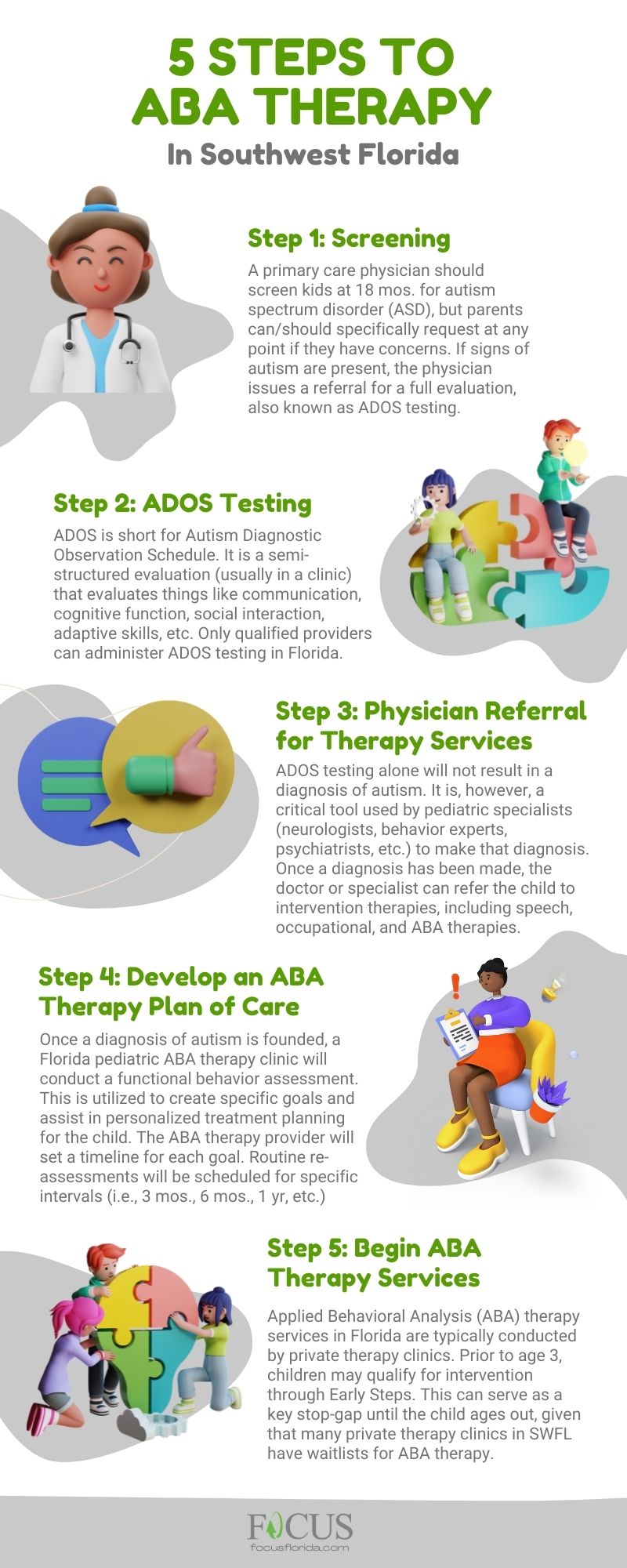
The average kid is in ABA therapy for roughly 2-3 years of intensive therapy followed by maybe 2-3 more years of a focused approach. There will be situations where the parent notices different behaviors at home that the therapist can't.Respondents of all ages who were exposed to ABA were 86 percent more likely to meet the PTSD criteria than respondents who were not exposed to ABA. Adults and children both had increased chances (41 and 130 percent, respectively) of meeting the PTSD criteria if they were exposed to ABA.Support clients in daily activities, including diaper changes/toilet learning, eating, and other areas where they may need support.Unfortunately, ABA therapy is not a cure for autism. However, there are therapies that can help your autistic child improve their intrapersonal and life skills. One of these therapies is ABA therapy.

Depending on your toddler's needs, they may practice toilet training, getting dressed, and eating meals with family. Our therapists can also work on problem behaviors occurring in the home and train caregivers on how to implement the treatment outside of therapy sessions.ABA therapy sessions will range from 2 to 5 hours based on the need of the particular child and the associated treatment objectives your Board Certified Behavior Analyst (BCBA), and you have developed together. This implies they might require up to 40 hours of ABA therapy every week.Parent Participation is Essential
Parent involvement and training are an essential part of ABA therapy. When parents are active participants in their child's treatment, the child is more likely to be successful.The average kid is in ABA therapy for roughly 2-3 years of intensive therapy followed by maybe 2-3 more years of a focused approach. There will be situations where the parent notices different behaviors at home that the therapist can't.
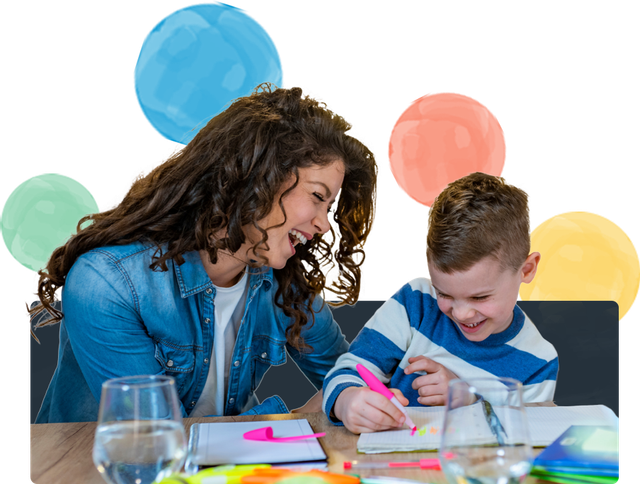
ABA is split into two main methods: Discrete Trial Training (DTT) and Natural Environment Training (NET). DTT is more of what typical school lessons might look like. Kids will work on a specific task one-on-one with a therapist, sometimes across a table with books, iPads, and games.