
Do parents attend ABA therapy? Leia mais: At what age is ABA therapy most effective

While ABA therapy can be effective for individuals of a wide range of ages, the strategies are most effective for children before the age of five. In order for a program to be considered “early intervention,” it will start before the child reaches the age of four.
Leia mais
Forty years of extensive literature have documented ABA therapy as an effective and successful practice to reduce problem behavior and increase skills for individuals with intellectual disabilities and Autism Spectrum Disorders (ASD). Children, teenagers, and adults with ASD can benefit from ABA therapy.Main signs of autism
- finding it hard to understand what others are thinking or feeling.
- getting very anxious about social situations.
- finding it hard to make friends or preferring to be on your own.
- seeming blunt, rude or not interested in others without meaning to.
- finding it hard to say how you feel.
How long do kids stay in ABA
The average kid is in ABA therapy for roughly 2-3 years of intensive therapy followed by maybe 2-3 more years of a focused approach. There will be situations where the parent notices different behaviors at home that the therapist can't.
The cons of ABA therapy
- ABA therapy is time-consuming. Studies have shown that intensity and duration are key to effective ABA treatment.
- The results of ABA therapy are not immediate. ABA therapy is not a quick fix.
- ABA therapy can be expensive without insurance.
In reality, ABA is not something that has an end date. The skills that parents develop from the hard work of implementing an ABA program evolve and are used for a lifetime.While parents typically report concerns in the first year of life,3 many children do not receive diagnoses until much later. Several studies have suggested that diagnoses of autism made at age 2 years are stable through age 3 years,4-7 and diagnoses made by age 5 years are stable up to late adolescence.

Officially, the Answer Is "No" In other words, says the DSM, autistic symptoms start early and continue throughout life, though adults may be able to "mask" their symptoms—at least in some situations. But according to the DSM, it is impossible to "grow out" of autism.
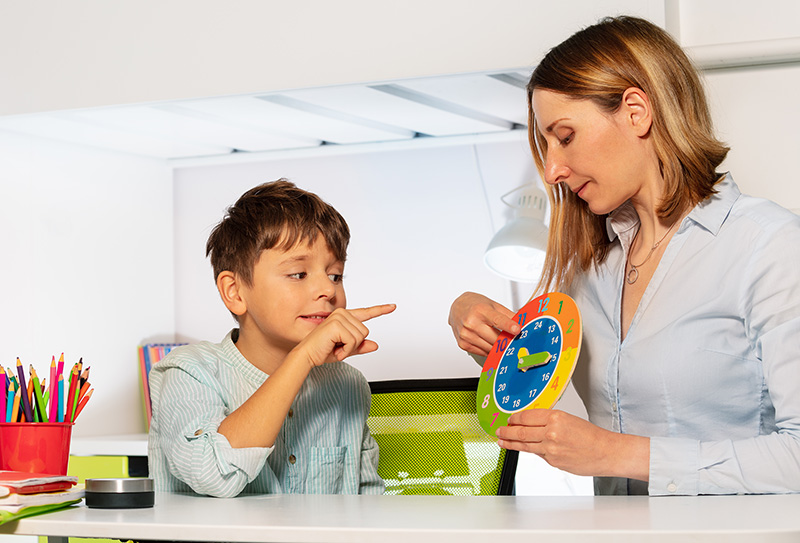
What do parents do during ABA
Depending on your toddler's needs, they may practice toilet training, getting dressed, and eating meals with family. Our therapists can also work on problem behaviors occurring in the home and train caregivers on how to implement the treatment outside of therapy sessions.
ABA therapy teaches potty training in a way specific to each child based on their needs and skills. Since there are a variety of techniques, a trained BCBA will help identify which methods will likely be the most appropriate and effective for each child based on what skills the child already has.
When people say ABA therapy doesn't work, it's probably because of external variables. If you reinforce a desired behavior, it will go up. This has been proven over decades and decades of work. But if you have all these confounding variables, the current treatment package of ABA may not appear to be working.
Leia mais
Respondents of all ages who were exposed to ABA were 86 percent more likely to meet the PTSD criteria than respondents who were not exposed to ABA. Adults and children both had increased chances (41 and 130 percent, respectively) of meeting the PTSD criteria if they were exposed to ABA.Wodka's team studied 535 children with autism spectrum disorder (ASD) who had “only a few single words at most” at age 4. By age 8, 70 percent had developed phrase or fluent speech, with 47 percent speaking fluently.Autism is not an illness
It means your brain works in a different way from other people. It's something you're born with. Signs of autism might be noticed when you're very young, or not until you're older. If you're autistic, you're autistic your whole life.Adults who have not received appropriate treatment may have trouble living independently, may be unemployed, and may struggle with relationships. Autism can also impact physical and mental health, according to the 2017 National Autism Indicators Report: Developmental Disability Services and Outcomes in Adulthood.

The cons of ABA therapy

- ABA therapy is time-consuming. Studies have shown that intensity and duration are key to effective ABA treatment.
- The results of ABA therapy are not immediate. ABA therapy is not a quick fix.
- ABA therapy can be expensive without insurance.
Support clients in daily activities, including diaper changes/toilet learning, eating, and other areas where they may need support.Unfortunately, ABA therapy is not a cure for autism. However, there are therapies that can help your autistic child improve their intrapersonal and life skills. One of these therapies is ABA therapy.One study showed that participants in ABA therapy were 86% more likely to develop PTSD. Though therapists may argue that they would never intentionally harm children, the ultimate push for someone to go against their very nature is damaging (Kupferstein, 2018).

The global increase in autism prevalence reflects major improvements in public awareness and public health response to autism. Children are now more likely to be diagnosed earlier, and even underrepresented regions like Africa and the Middle East have been advancing their ability to measure autism prevalence.Some children with autism smile to show they're happy but don't share their enjoyment. Others show little facial expression or have flat affect and rarely smile so you may not know when they're happy.Autism is likely to have multiple genes responsible rather than a single gene. However, it is not caused by emotional deprivation or the way a person has been brought up.Autism itself does not affect life expectancy, however research has shown that the mortality risk among individuals with autism is twice as high as the general population, in large part due to drowning and other accidents.

Children born to older parents are at a higher risk for having autism. Parents who have a child with ASD have a 2 to 18 percent chance of having a second child who is also affected. Studies have shown that among identical twins, if one child has autism, the other will be affected about 36 to 95 percent of the time.The average kid is in ABA therapy for roughly 2-3 years of intensive therapy followed by maybe 2-3 more years of a focused approach. There will be situations where the parent notices different behaviors at home that the therapist can't.